

Moon in Pisces: meaning for the day and your chart
The Moon spends just over two days in Pisces each month: porous, dreamy, compassionate. What those days suit, and what a Pisces Moon means in a chart.
Moon phases, the lunar cycle, new and full moon reflection, the Moon in each sign and the void of course, explained for ordinary days rather than rituals.
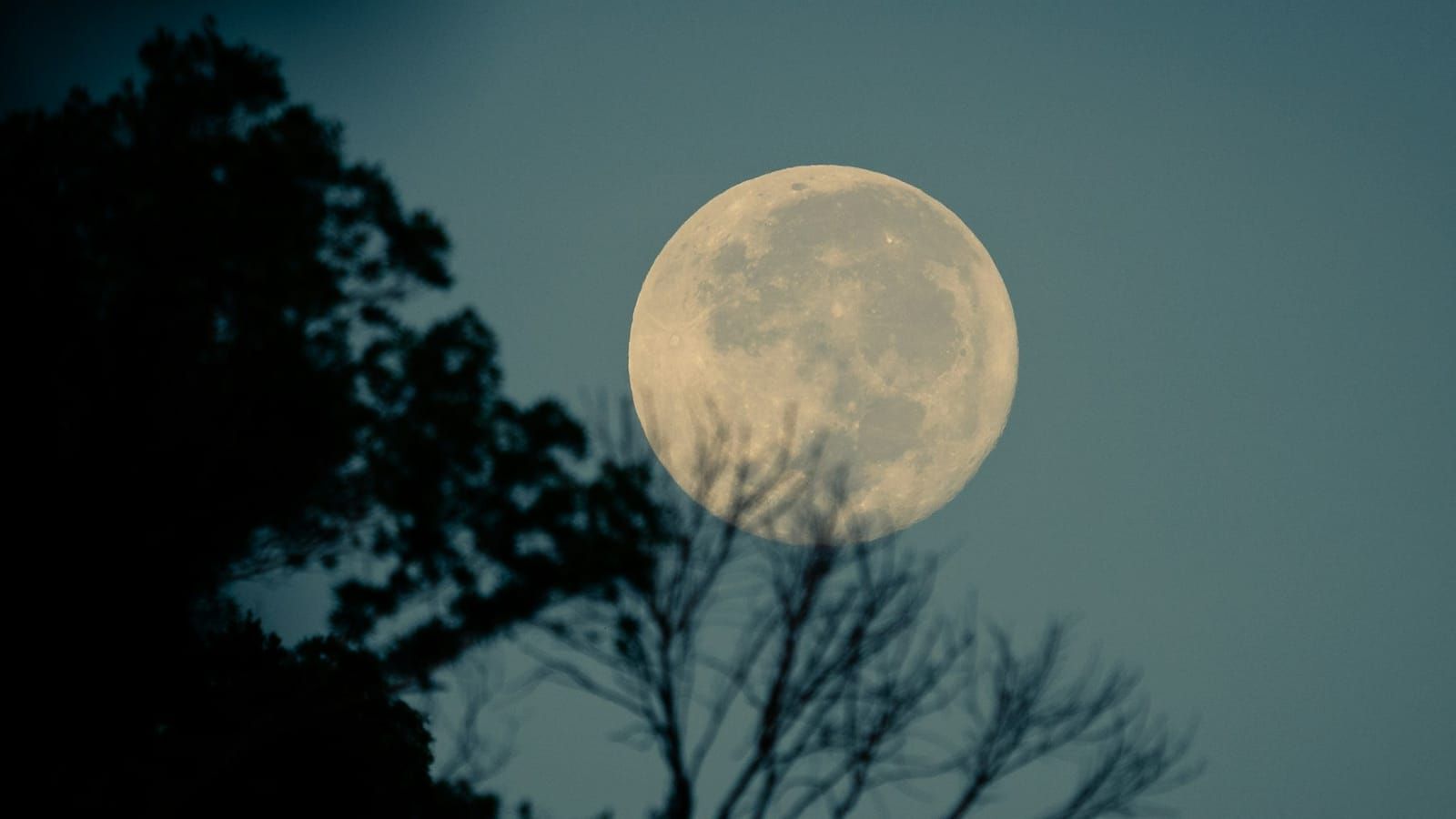
The Moon is the one piece of the sky everyone can read. It grows and shrinks over about 29.5 days, it is in the evening sky for two weeks and the morning sky for two, and it passes through a new zodiac sign every two and a half days. People have used that rhythm as a calendar for longer than there have been calendars, and it still works as one: a month with a visible beginning, middle and end, drifting about a day earlier each time so that it never quite lines up with the one on the wall.
This section is about living with that rhythm without a ritual kit. The articles explain what the phases are and what each tends to suit, how long the cycle is and why the number is not exact, what to do at the two turning points, and what the Moon’s sign and its void-of-course hours add for anyone who wants the finer detail. The astronomy is kept to what you can check by looking up or in a published table; the suggestions are offered as a lens, not a rule.
From new Moon to full, the lit part grows and the days tend to suit starting and building. From full back to new, it shrinks and the days tend to suit finishing and letting go. The new Moon is a natural day to choose a direction for the month; the full Moon, two weeks later, is a natural day to look at what has become visible. That is the whole practice, and everything else here is detail on it.
New to all of it? Read the first two. Already tracking the phases? Start at the fourth. For questions to write about at each phase, see the daily reflection section, starting with new moon journal prompts.
It does not tell you what will happen at the full Moon, and it does not claim the Moon changes your mood or your sleep; the research on that is thin, and the rhythm is useful whether or not it does. It does not publish dates of specific new and full Moons, because the exact moment of a phase falls on different calendar days in different time zones, and a date that is right in London can be wrong in Sydney. For dates, use a published table, such as NASA’s, converted to your own time zone, or an app that does the conversion for you.
The Moon is the fastest-moving part of a day’s character, but not the only part. The section on cosmic basics explains the rest: Sun, Moon and rising signs, retrogrades, ingresses and aspects, and how all of it becomes a theme for the day.
Cosmia, an app for iPhone and iPad, is built on the lunar cycle described here. A new Moon opens a Lunar Cycle with a Cycle Theme and an optional intention; the full Moon brings a short check-in; the last days before the next new Moon close the cycle with a recap of what you chose, did and wrote. Every morning the Day Cover shows the phase, the day of the cycle and the Moon’s sign, drawn the way the Moon looks from where you are. If a four-week rhythm with a beginning, a middle and an end sounds more livable than a calendar month, that is the shape the app keeps.
The Moon spends just over two days in Pisces each month: porous, dreamy, compassionate. What those days suit, and what a Pisces Moon means in a chart.

The Moon spends just over two days in Aquarius each month: detached, inventive, group-minded. What those days suit, and an Aquarius Moon in a chart.
The Moon spends just over two days in Capricorn each month: serious, capable, structured. What those days suit, and what a Capricorn Moon means in a chart.
The Moon spends just over two days in Sagittarius each month: restless, optimistic, big-picture. What those days suit, and a Sagittarius Moon in a chart.
The Moon spends just over two days in Scorpio each month: intense, private, perceptive. What those days suit, and what a Scorpio Moon means in a chart.
The Moon spends just over two days in Libra each month: social, diplomatic, fair-minded. What those days suit, and what a Libra Moon means in a chart.

The Moon spends just over two days in Virgo each month: precise, useful, a bit critical. What those days suit, and what a Virgo Moon means in a chart.

The Moon spends just over two days in Leo each month: warm, expressive, generous. What those days suit, and what a Leo Moon means in a chart.
Cancer is the Moon's own sign: tender, homeward, protective. What the monthly Cancer days suit, and what a Cancer Moon means in a chart.

The Moon spends just over two days in Gemini each month: curious, talkative, scattered. What those days suit, and what a Gemini Moon means in a chart.

The Moon spends just over two days in Taurus each month: slow, steady, comfort-seeking. What those days suit, and what a Taurus Moon means in a chart.

The Moon spends just over two days in Aries each month: quick, direct, impatient. What those days suit, and what an Aries Moon means in a chart.
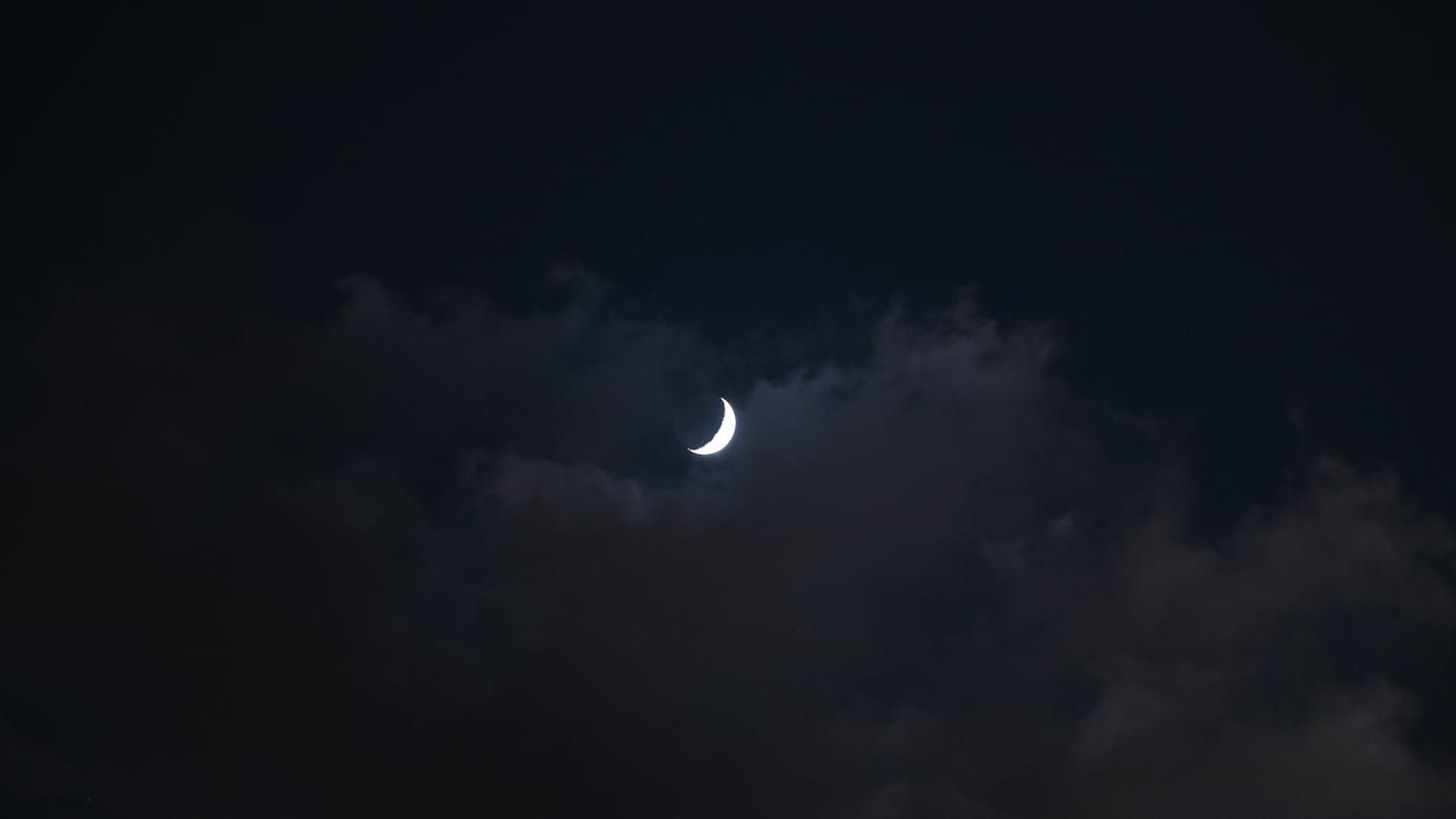
A void-of-course Moon is the gap between the Moon's last aspect in a sign and its entry into the next. What it means, how long it lasts, and how to use it.

The Moon spends about two and a half days in each zodiac sign, and each sign gives those days a different mood. All twelve, with what each tends to suit.
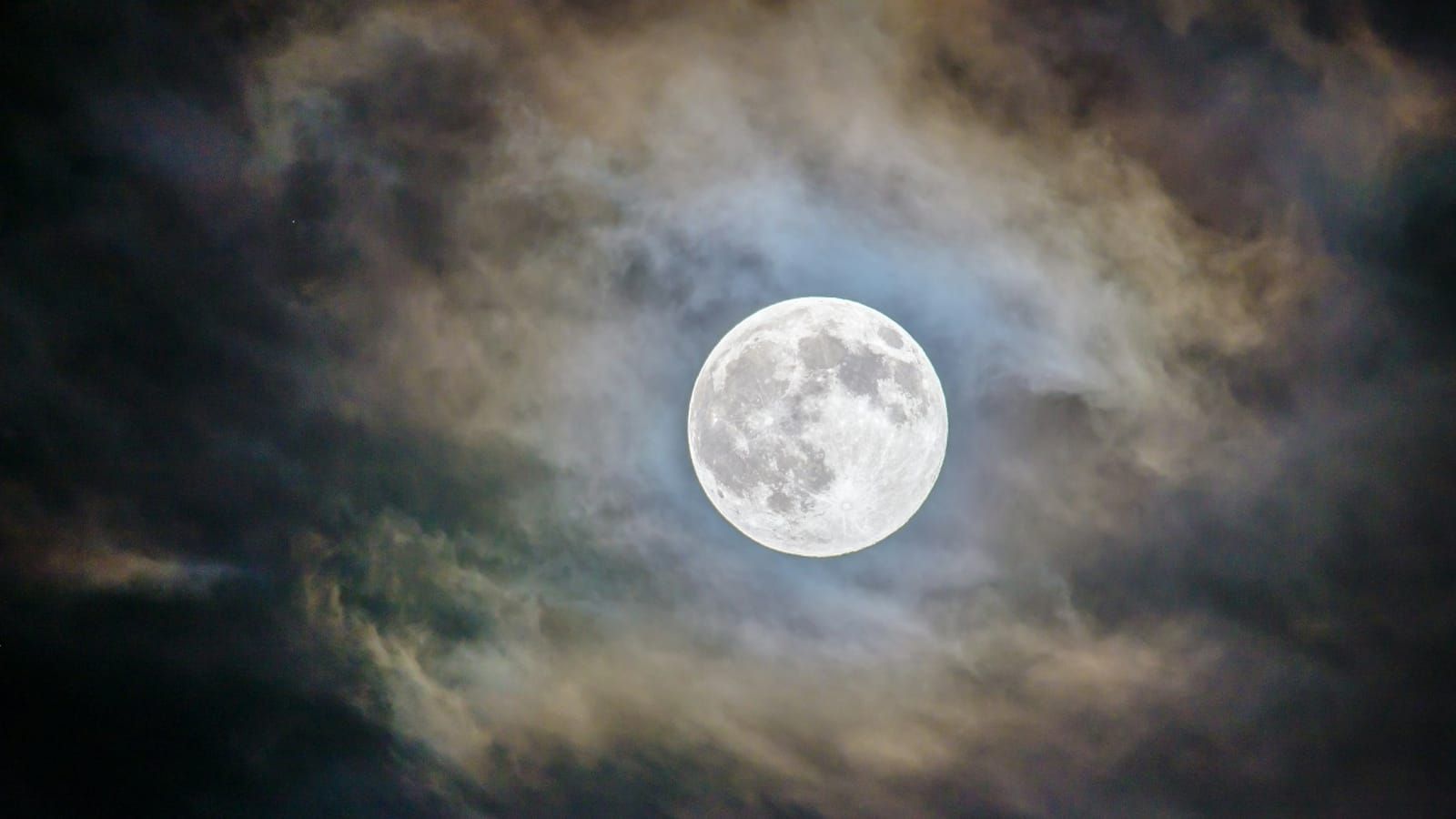
The full Moon is the midpoint of the lunar cycle, when what has grown since the new Moon becomes visible. Three questions for a short reflection.
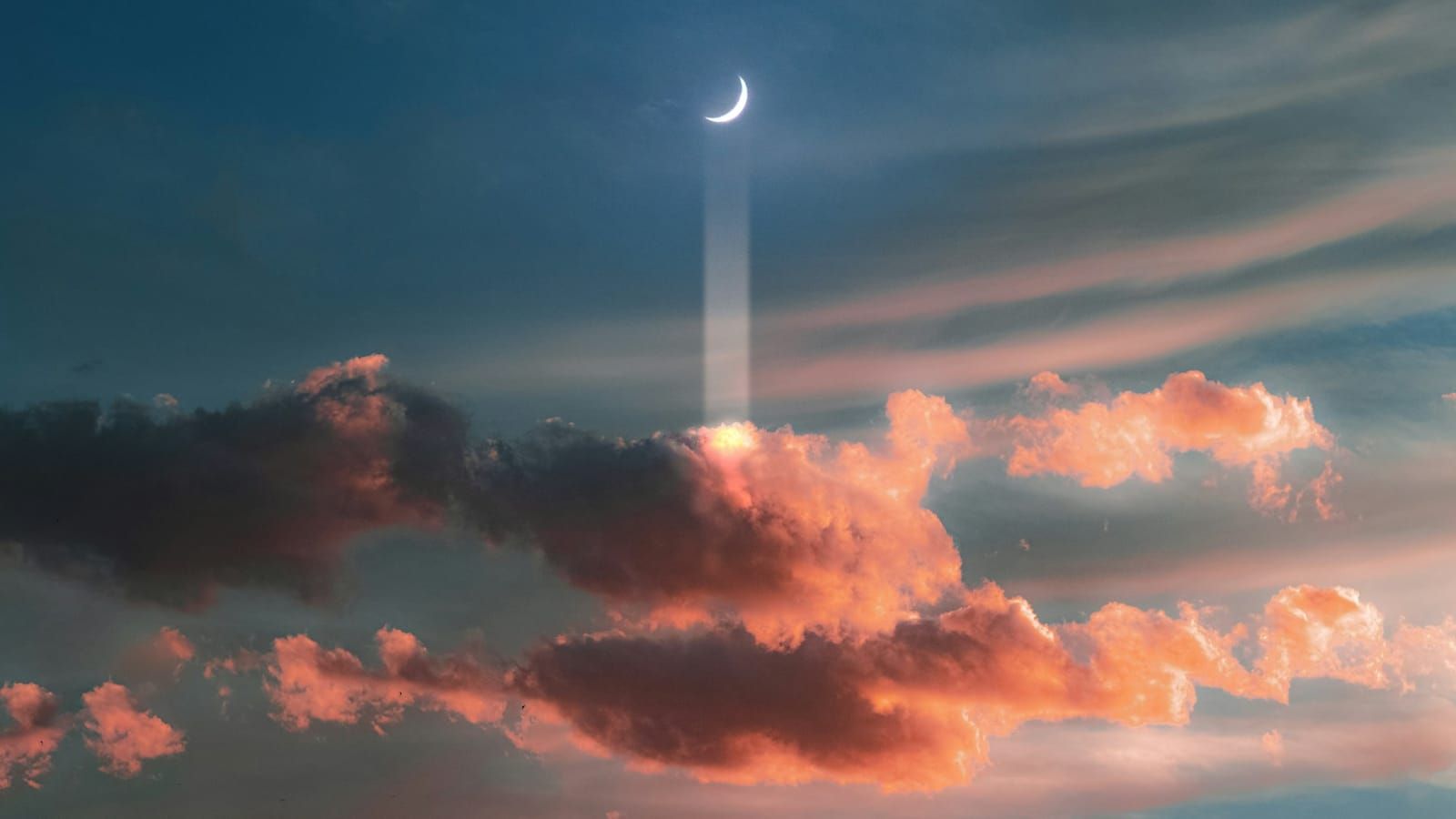
A new moon intention is one direction for the next four weeks, chosen on the day the cycle starts. How to pick one in ten minutes and what to do next.
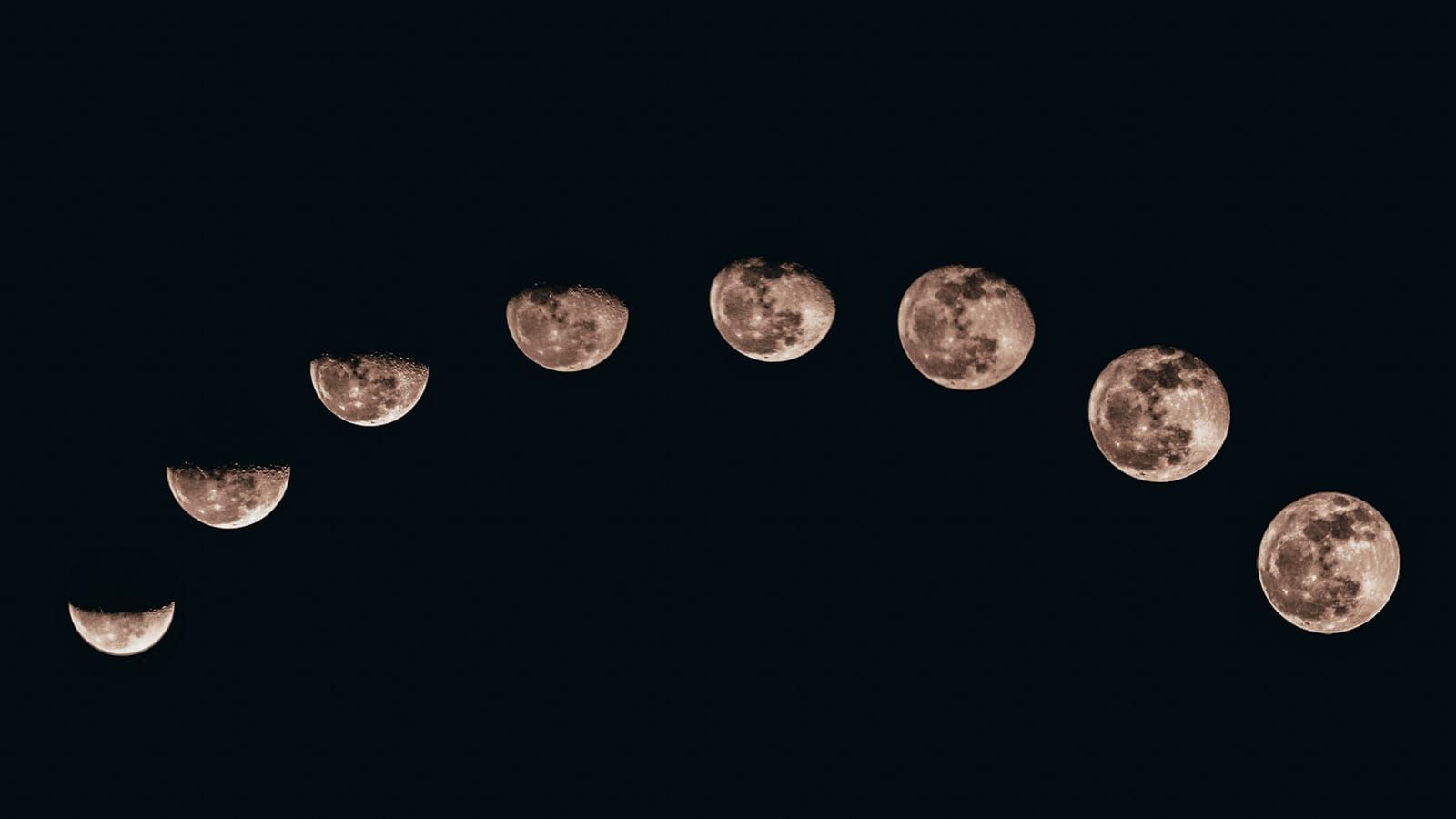
A lunar cycle, from one new Moon to the next, averages 29.53 days. Why it is not exactly 29.5, why it is longer than the Moon's orbit, and what it means.
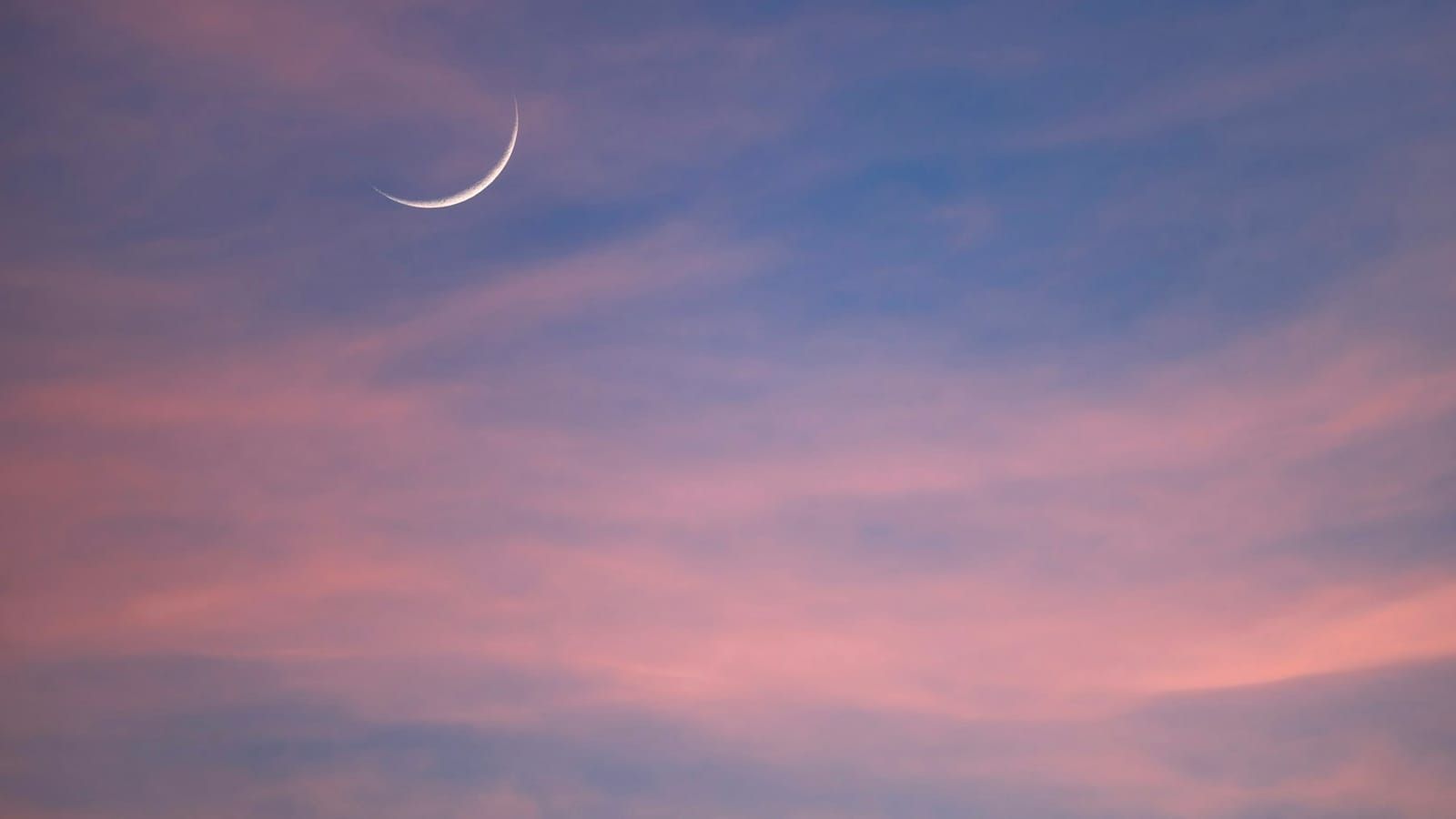
A waxing Moon is growing toward full; a waning Moon is shrinking toward new. How to tell them apart tonight, and how the two halves map onto a week.
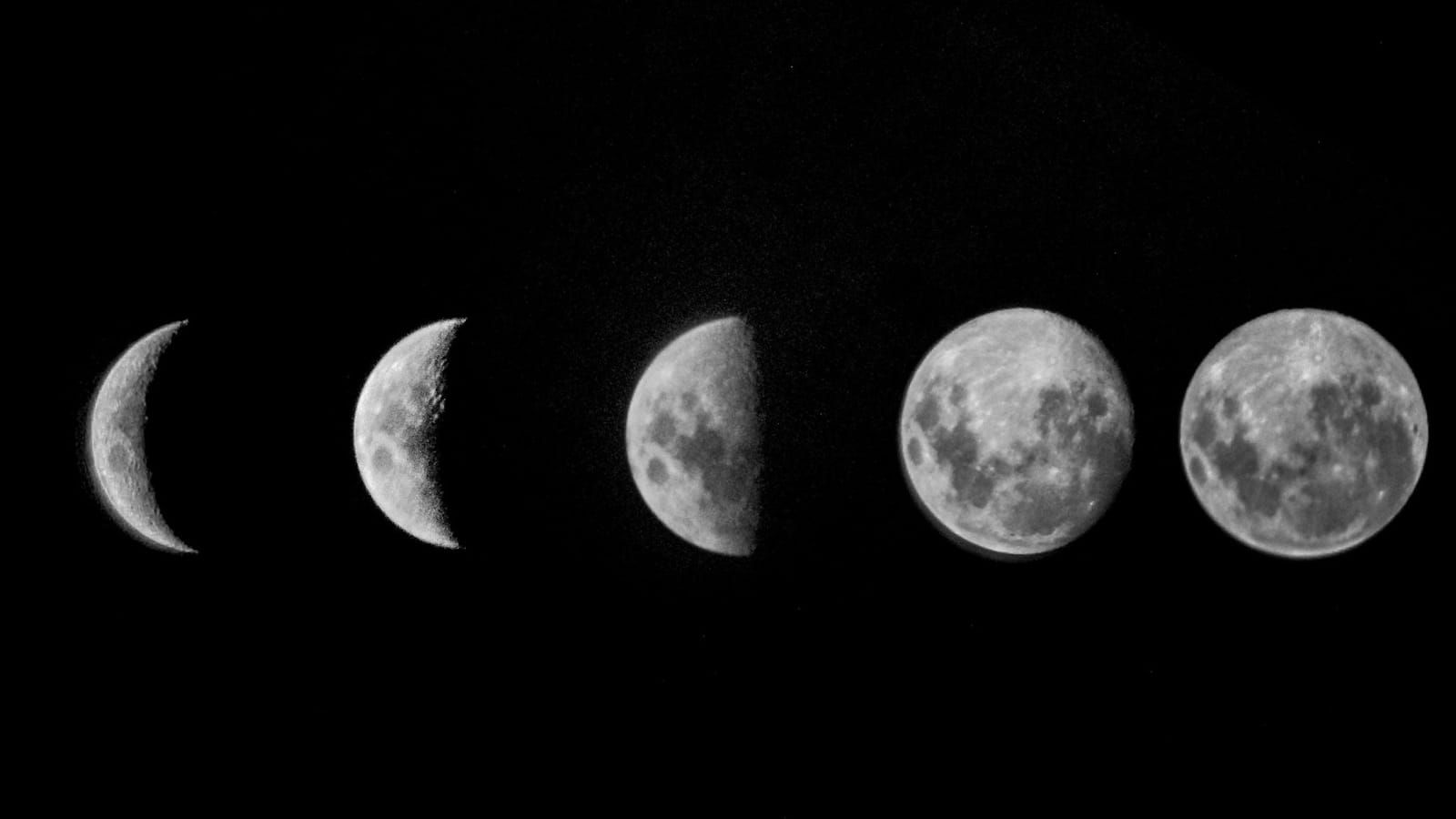
The Moon cycles through eight phases in about 29.5 days. What each looks like, when you can see it, and what it might be good for in an ordinary week.